Appearance Is No Longer Enough
Online shopping is playing an increasingly larger role in our lives. But is every product we see in digital storefronts truly original? Unfortunately, the answer isn't always "yes." Counterfeit products are rapidly proliferating in almost every category, from perfumes and cosmetics to vitamins and baby care products.
So, as a consumer, how can you spot fake products? And how can you do it in just 5 minutes without needing complex laboratory tests? This guide is for exactly that.
1. Check the Product's Source: "Who is Selling?"
It's not the brand of the product you buy that matters, but the seller. Because on e-commerce sites, dozens of different sellers can offer the same product. Therefore:
- Does the seller's name seem trustworthy?
- Have there been previous purchases from this seller?
- Are the product descriptions consistent with the brand's official language?
Remember: Even if the product is original, if the seller is not reliable, the packaging could be damaged, the date expired, or a counterfeit product could have been sent.
2. Pay Attention to the Packaging: Appearance is Everything (But Not Enough)
Packaging is the first thing counterfeiters copy. Details you should pay attention to:
- Typographical errors
- Missing ingredient list
- Inverted or blurry printing
- The barcode being erased, added, or altered
But remember: Counterfeiters can now replicate packaging almost perfectly. Appearance alone is not enough.
3. Is the Price Realistic?
If a product that has a certain price range is offered at a much lower price, you should be careful. For example:
A perfume priced at 900 TL being sold for 299 TL as a "discount" is likely a deal that's too good to be true.
As a consumer, checking the price and market average should be your first line of defense.
4. Is There a QR Code? If So, Scan It and Check Immediately
Some products have a QR code on the packaging. If these codes are not integrated with a system belonging directly to the brand, they might only be for promotional purposes.
However, QR codes in systems like Orjina genuinely work for verification.
As a consumer, what you need to do is:
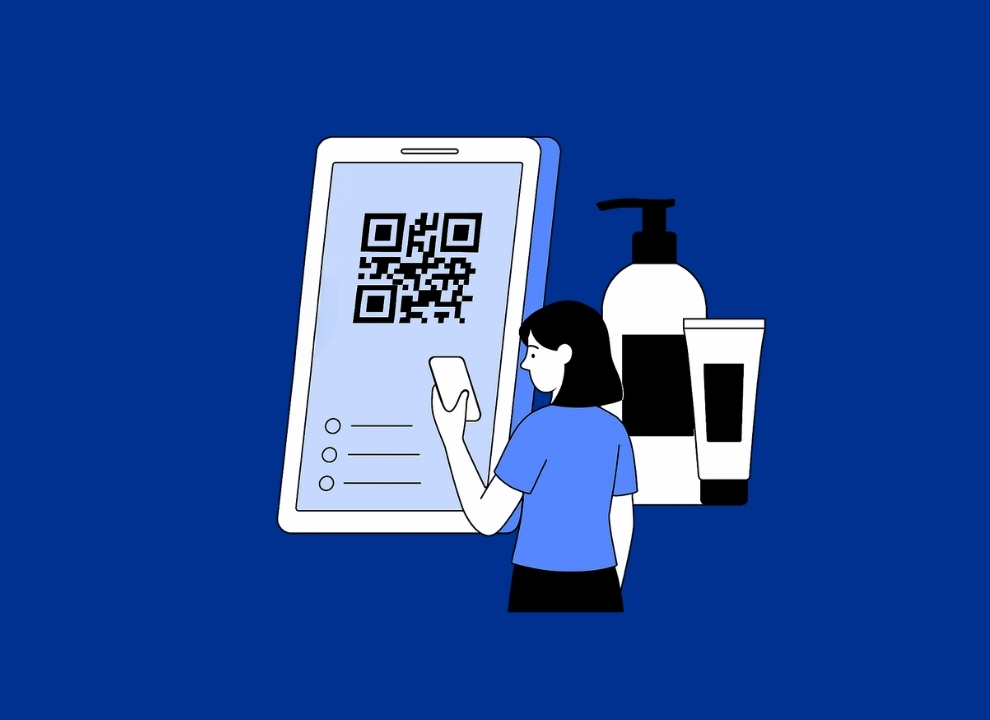
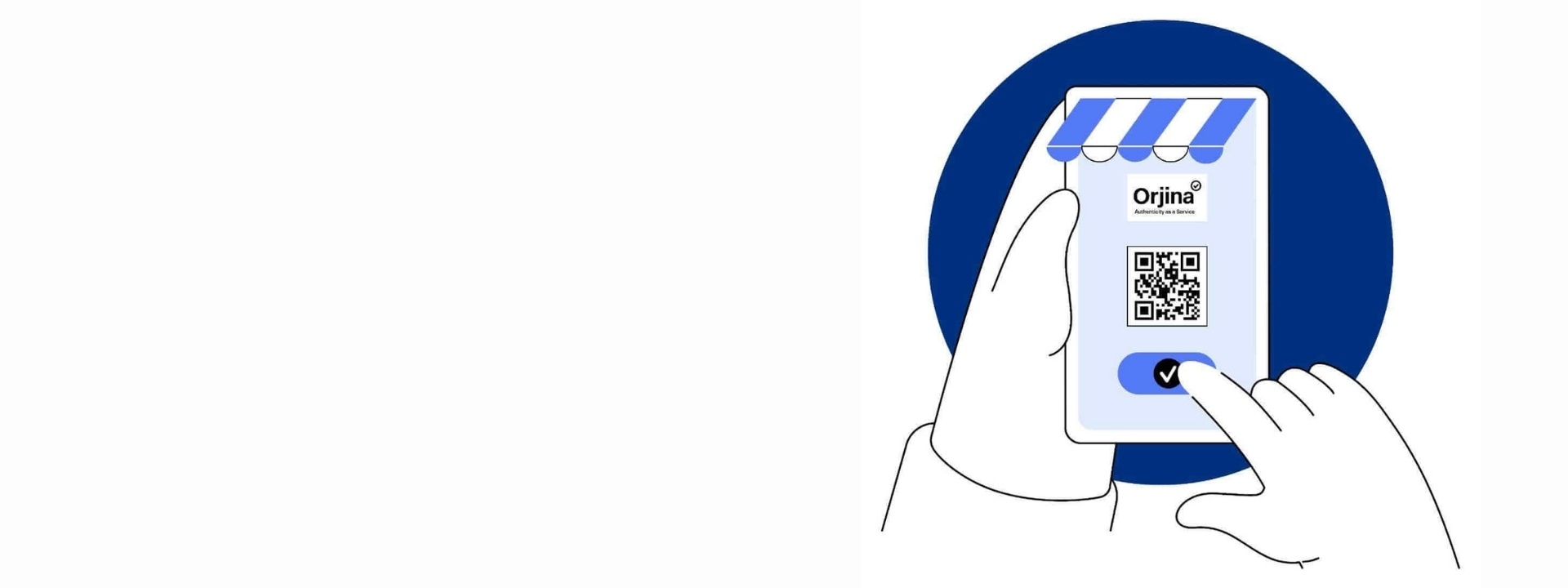
- Scan the QR code with your camera or the Orjina app
- On the page that opens, check for the following information:
- Is the product original?
- Which seller was it sent from?
- Has this QR code been scanned before?
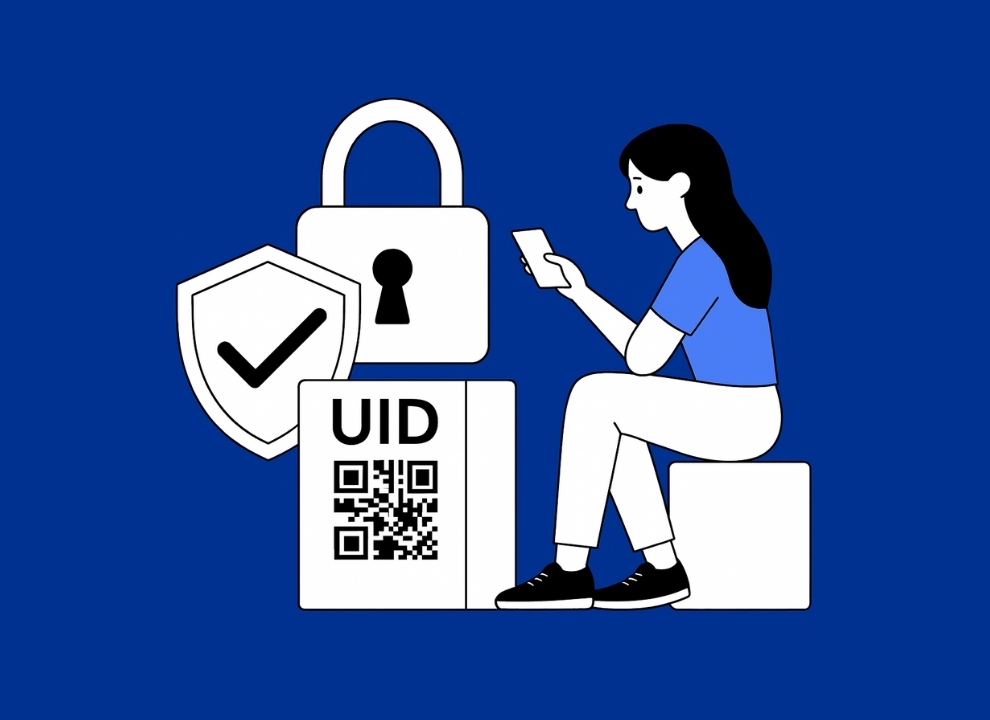
If you see a warning that says "this UID has been used before," the product may be counterfeit.
5. Verification in 3 Steps with Orjina
The Orjina system allows you, as a user, to check the authenticity of a product in just a few seconds. Here are the steps:
- Scan the QR code: Scan the code on the product packaging or shipping bag with your phone's camera.
- Go to the UID check screen: The product information will appear on the automatically opened page.
- Review the results: Critical information such as "Is the product original?", "Are you the first to scan it?", and "Who is the seller?" will be shown to you.
This process both protects you and pushes counterfeit sellers out of the system.
Conclusion: Consumer Trust Starts with Verification
Detecting counterfeit products is no longer just a job for experts. With the right tools, you can check the safety of your own product in just 5 minutes. Because what matters is not just "what" you buy, but "from whom and is it truly original."
Orjina offers a solution that meets this need in a simple, fast, and reliable way.
A genuine product reveals itself not just by its appearance, but by its verifiability.