
Digital Convenience or an Unseen Danger?
Online shopping is now an integral part of our lives. With three clicks, we can have our perfume, vitamins, or skincare products delivered to our door. However, this convenience brings a serious risk: counterfeit products. Especially on e-commerce platforms, fake and imitation products pose a health risk to consumers and lead to a loss of reputation for brands. So why is the risk of counterfeit products higher in online shopping?
1. No Physical Inspection: You Can't See What's Inside the Box
In offline (physical) stores, you can see the product's packaging, inspect the box, and even test the product in some cases. You have the opportunity to communicate directly with the seller. However, in online shopping, you rely solely on images and seller descriptions. This creates a wide-open field for scammers.
Example: A counterfeit perfume presented with the same packaging design can be almost indistinguishable from the original. However, the content could be chemically harmful.
2. The Loophole of Counterfeit Sellers on Marketplaces
On popular marketplaces (e.g., Hepsiburada, Trendyol, Amazon), sellers can easily open accounts. While this flexibility is an advantage for commerce, it also allows malicious individuals to quickly list counterfeit products and reach thousands of consumers.
- Counterfeit sellers can achieve high-volume sales within 1-2 weeks with products that "imitate real brands."
- When complaint and return processes are slow, the damage is already done.
3. In Which Categories Are Counterfeit Products Most Common?
- Cosmetics and perfumes: The easiest category to imitate in terms of packaging similarity.
- Food supplements: Labels and capsule appearances can be copied exactly.
- Mom & Baby products: An attractive target due to high profitability despite security vulnerabilities.
- Electronic products: Empty or low-quality products are sold by copying brand labels.
4. Consumer Health is at Risk
- In counterfeit cosmetic products: There can be skin irritation, allergic reactions, and endocrine-disrupting chemicals.
- Fake vitamins and supplements may contain ineffective or harmful ingredients.
Remember: "If it's cheaper and looks too good to be true, it's probably fake."
5. Brand Health is Also at Risk
When a consumer buys a counterfeit product, the blame often falls not on the "counterfeit seller" but on the brand itself. Consider these comments:
- "This brand's cream ruined my skin."
- "I will never buy a product from this brand again."
The consumer doesn't want to distinguish between fake and original. The brand gets damaged.
6. The Solution: Digitizing the Layer of Authenticity
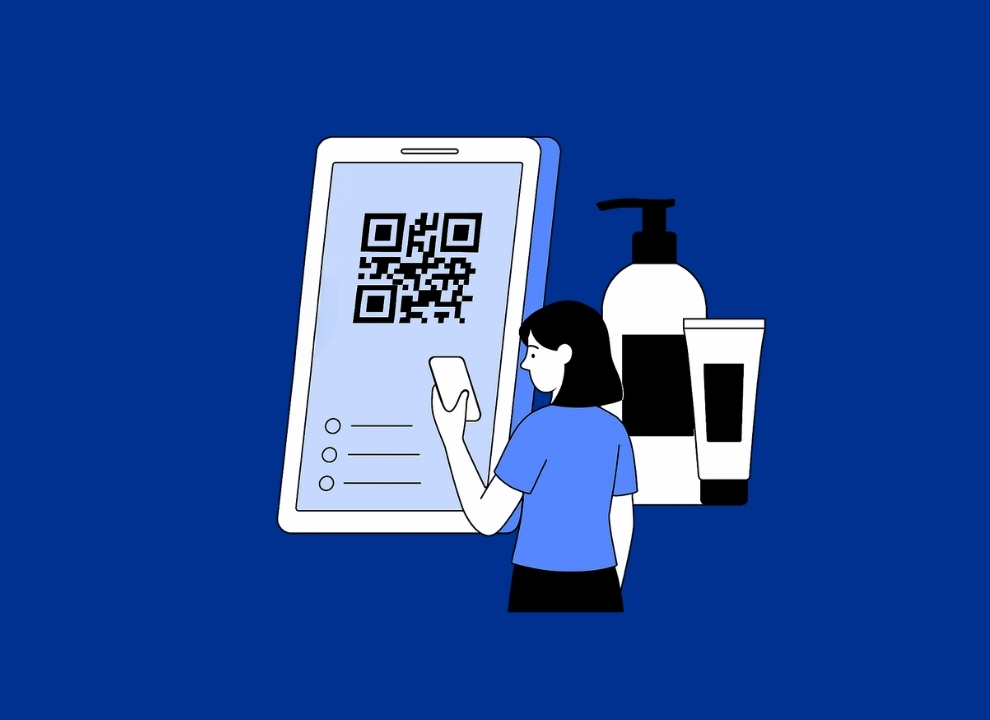
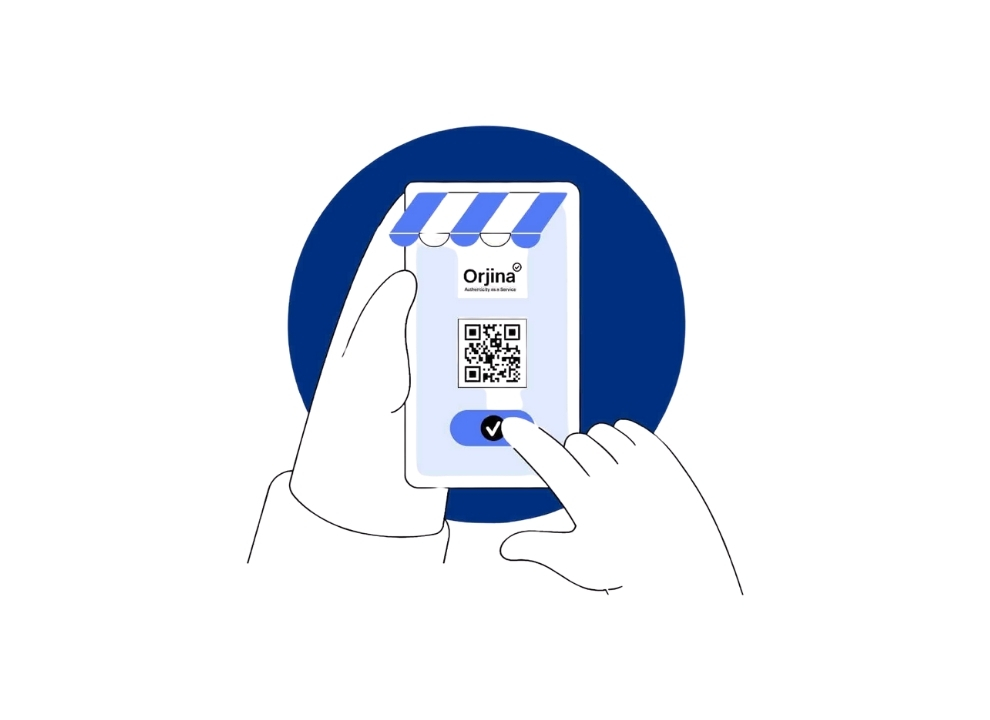
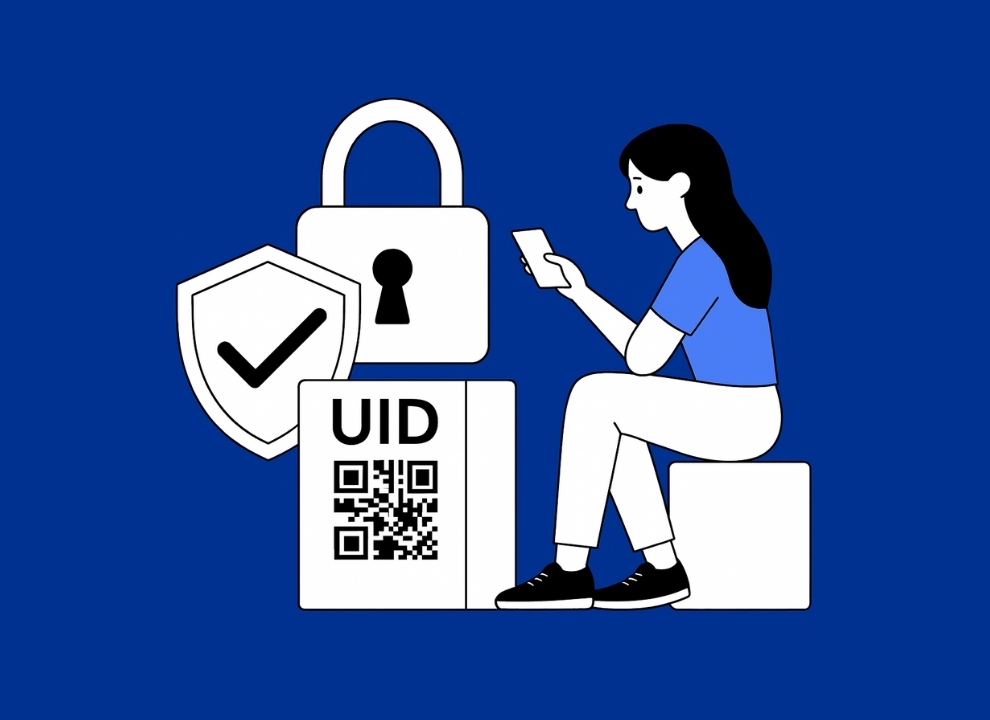
This is where systems like Orjina come into play. A UID (unique digital identity) and a QR code, generated at the time of sale, are placed on each product box. By scanning this code, the consumer can see:
- Whether the product was actually sent by that brand,
- Which seller it came from,
- Whether it has been opened before.
This system rebuilds trust in the e-commerce environment where physical inspection is not possible.
Conclusion: Trust is the Foundation of Every Purchase
Yes, online shopping makes life easier. But the threat of counterfeit products seriously endangers both consumer health and brand credibility. Technologies like Orjina make this invisible risk visible. Because now, you're not just buying a product; you're buying trust.